
What Is a Progressive Pokie and How It Builds Jackpots
Understanding what is a progressive pokie starts with the way prize pools grow across sessions.
You know how a regular machine pays out fixed prizes, but a progressive pokie shares a portion of every wager into a growing pool that can climb into the hundreds of thousands. For an Australian player, that shared pool is the main draw, though it changes how you read the screen and manage your bankroll. The concept has been around long enough that most locals reckon they know it, but the details around how the meter ticks, what triggers a payout, and how operators keep the maths fair are worth spelling out. If you have ever wondered why one machine feels like it is building something bigger than the last spin, this is the bit that explains it.
How the Pool Grows and How Payouts Are Set
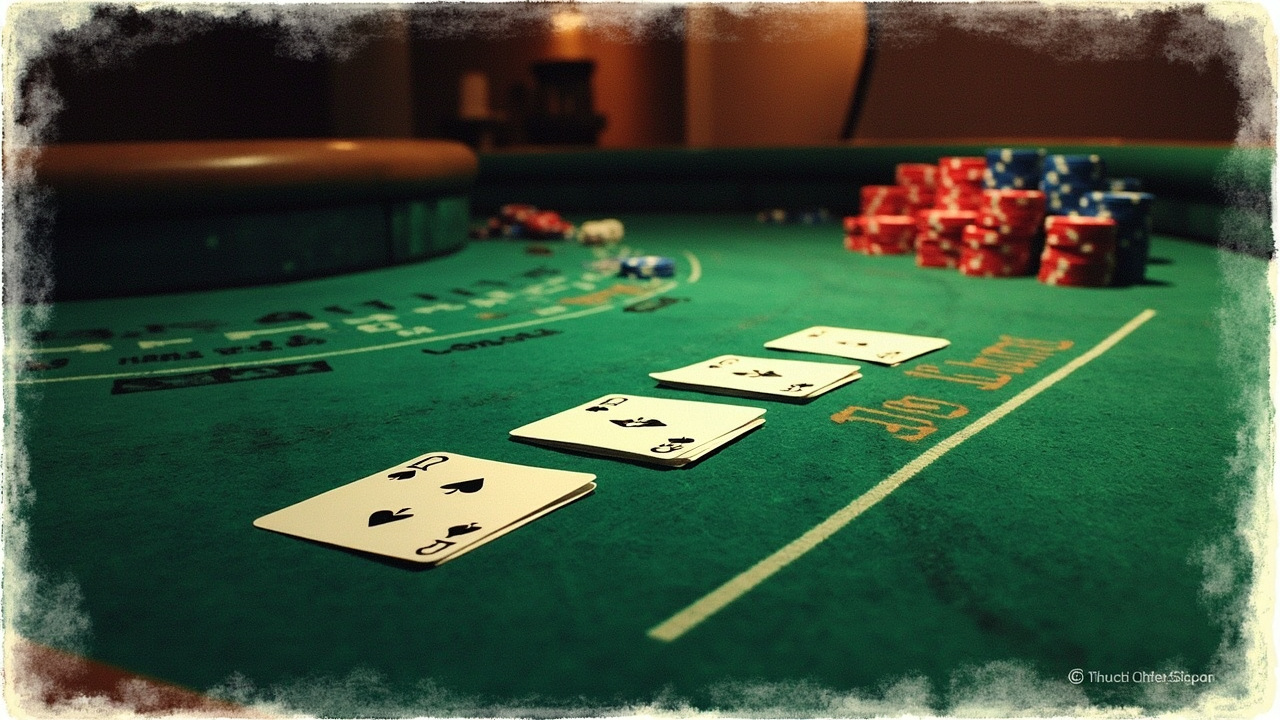
A progressive pokie works by siphoning a tiny slice of each bet into a shared meter, and that slice is what makes the top prize climb instead of sitting flat. The maths behind it is closer to a capital pool than a slot spin, which is why someone with a background in equity capital markets would spot the similarity straight away. In a market context, you are watching a pooled instrument where every contribution nudges the valuation upward, and the same logic applies here: the more the machine is played, the larger the standing prize becomes. Operators usually split progressives into local, wide-area, and standalone variants, and the difference matters because a local pool only grows across a handful of machines on one floor, while a wide-area pool links machines across several venues or an online network.
The payout trigger is the part that catches people out, because a progressive does not always pay its top prize on a random spin. Some titles require you to land a specific bonus round or hit a particular symbol combination, while others simply award the pooled prize when the base game hits a rare result. That distinction changes how you read the paytable, and it is worth checking before you commit to a session. A sensible player treats the growing meter as a feature to understand rather than a promise to chase, and that mindset keeps the session grounded. If you want to compare the pooling style across a few online titles before you pick one, you can browse the game list at plinko-play-au.com and see how the prize structures are described on each page.
From a regulator and operator standpoint, there is a genuine disagreement about how much a player should be told about the pool mechanics before they sit down. Some operators argue that too much detail about the slice rate and trigger conditions overcomplicates the experience and slows play, while regulators and consumer advocates push for clearer disclosure so players understand that the meter is a shared pool, not a personal balance. Neither side is entirely wrong, but the middle ground is usually the most useful: enough transparency to read the paytable honestly, without turning the screen into a lecture.
| Pool type | Typical range | Where it grows | Trigger style |
|---|---|---|---|
| Local progressive | Small to mid | One venue or floor | Random or bonus |
| Wide-area progressive | Mid to large | Linked venues or network | Specific combination |
| Standalone progressive | Variable | Single machine | Random base result |
Interface, Localisation, and Everyday Usability
The interface on a progressive pokie is where localisation and everyday usability either make the session feel natural or leave you squinting at the screen. A well-built title keeps the growing meter visible without letting it dominate the layout, because you still need to read the paylines, the bet controls, and the bonus conditions without hunting around. For an Australian audience, the sensible expectation is that the screen speaks in local terms, shows currency in dollars, and does not force you to mentally translate every label before you place a bet. Navigation should be straightforward enough that you can move between the game, the paytable, and the settings without tapping through layers that feel like a maze.
Language and currency localisation matter more on a progressive than on a fixed-prize machine, because the pool figure is the headline and it needs to read clearly in the currency you are actually using. A screen that displays the pool in a foreign denomination or buries the prize behind a secondary menu is a poor use of the player’s time, and it defeats the point of the growing meter being the main draw. Search within the lobby should also surface progressive titles by pool size or by provider, because a player who wants a wide-area pool is looking for something different from someone who prefers a local meter on one machine. Support and registration should be equally plain, with a sign-up flow that does not ask for more than it needs and a help section that answers the common questions about pool resets, bonus rounds, and bet sizing.
On the mobile side, the same usability rules apply, though the screen is smaller and the meter has to stay readable without crowding the controls. A title that shrinks the pool display to a footnote on a phone is not doing the job, because the whole point of a progressive is that the growing prize is front and centre. Loyalty features can sit alongside this without turning the game into a points chase, provided they are presented as a separate layer rather than something you have to manage mid-spin. The best everyday experience is one where the localisation, the navigation, and the mobile layout all point in the same direction: clear, local, and easy to read before you press spin.
Reading the Risk, the Bankroll, and the Reality
Reading a progressive pokie honestly means accepting that the growing pool is a feature of the machine, not a signal that a payout is due. That distinction is where a lot of sessions go sideways, because players sometimes treat the meter like a countdown rather than a shared prize that builds over time. A practical way to approach it is to set a session limit and a bet size that fit the paytable, because progressive titles often have higher minimum bets than fixed-prize machines and the cost per spin adds up faster than people expect. The bonus mechanics can also change the effective pace of play, so it is worth knowing whether the top prize is triggered in the base game or only inside a bonus round before you commit to a line.
There is a real contrast here between how a player experiences the machine and how an analyst or operator describes it. A player sitting in front of the screen sees a climbing number and feels the pull of a larger prize, while an analyst looking at the same title sees a pooled prize structure with a defined contribution rate and a trigger condition that may be rare. Both views are legitimate, but they are not the same thing, and confusing one for the other is how sessions drift beyond what was planned. The balanced take is to treat the pool as the headline feature, understand the trigger, and keep the bankroll management separate from the excitement of watching the meter move. plinko-play-au.com
Payments and withdrawals on a progressive are no different in principle from any other title, though the higher bet levels mean you should check the payment limits and processing times before you start. A sensible player knows that a growing pool does not change the standard rules around verification, limits, and responsible play, and that offshore casino play is not licensed or regulated in Australia, so the venue you choose should be one you have read up on and understood. If you are playing online, the same caution applies: the pool can climb, but the session still needs to stay within what you planned. That is the part most people skip, and it is usually the difference between a session that feels controlled and one that turns into a long afternoon you did not mean to have.
A progressive pokie is a machine with a shared prize pool that grows as it is played, and the useful way to approach it is to read the paytable, understand the trigger, and keep your bet sizing in line with the pool style you are actually looking at.