Counting Cards on the Live Dealer Table: What Australian Players Actually Face
I first watched a proper card counter work a quiet arvo in Hobart, his chip stack climbing while the shoe turned cold, and the discipline looked a lot like Olympic pacing rather than Hollywood luck. That same patience matters when you try blackjack card counting online live dealer, because the stream is real, the shoe resets, and the edge is never guaranteed. If you want a harmless diversion while the maths settles, you can spin a sweet bonanza 2000 demo on the side and keep your head clear.
The maths survives, but the live stream changes the tempo

Card counting still leans on the same basic idea: track the ratio of high to low cards left in the shoe and adjust your bet size when the deck tilts. Online live dealer blackjack keeps the human dealer, the felt, and the shoe, which means the count can still inform your betting rhythm. The catch is that most live tables use continuous shuffling machines or shallow penetration, and the stream latency can break your timing if you try to sync bets to every dealt card. I have built automated sports workflows that had to respect exchange API rate limits, and the discipline is identical here: you do not force a signal just because the interface is live. A counter who treats every hand like a sprint usually burns through a bankroll before the count ever turns. The real advantage is patience, not prediction, and the table rules around doubling, splitting, and late surrender often matter more than any running tally.
Interface, localisation, and everyday usability for Australian players
A live dealer lobby should feel built for the person actually sitting at it, not for a global template that forgot the local clock. The best setups show clear table limits in Australian dollars, a readable chip tray, and a bet placement window that does not jitter when the stream hiccupes. Navigation matters more than people admit, because a cluttered lobby turns a simple session into a hunt for the right shoe penetration and dealer pace. I once audited a prediction market interface where the liquidity panel sat three clicks away, and the friction quietly killed volume; live blackjack needs the same honesty about where the important controls live. Currency display, language, and search should work without a detour, and the table filters should let you sort by seats, minimum bet, and dealer speed rather than hiding those details behind generic labels.
| What to check | Why it matters | What a decent table shows |
|---|---|---|
| Currency and display | Keeps stakes readable and avoids conversion guesswork | Clear AUD labels, no hidden FX rounding |
| Table filters | Helps you find the right pace and penetration | Seats, minimum bet, dealer speed visible |
| Bet placement window | Reduces missed actions when the stream lags | Stable timer, obvious confirm and clear buttons |
| Stream quality | Affects your ability to follow the shoe | Steady feed, dealer actions easy to track |
Counting in practice: limits, trade-offs, and honest edges
The practical side of blackjack card counting online live dealer is less about a secret system and more about managing a small, uneven edge against a live operator who controls the shoe. You can still vary your bets when the count rises, but the table caps, the shuffle style, and the number of active seats all trim that edge back toward neutral. I have seen iGaming exits that looked clean on paper until the underlying game rules and payout structures rebalanced the whole proposition, and live blackjack behaves the same way: the flashy part is only half the story. A runner who counts well but ignores table limits, dealer shuffle frequency, and their own bet spread is mostly just adding variance to a recreational session. The honest read is that counting can inform discipline and bet sizing, but it does not turn a live stream into a sure thing.
Mobile play, support, and the slow grind of loyalty
Mobile live dealer play works best when the table view stays readable on a phone screen and the bet controls do not shrink into a thumb fight. A decent mobile setup keeps the shoe visible, the chat panel out of the way, and the stake selector easy to adjust without accidental taps. Support should be reachable when a stream drops or a bet timing question comes up, because a delayed answer can turn a small glitch into a frustrating arvo. Loyalty and rewards are worth reading carefully too, since wagering requirements and point decay can quietly reshape the value of a bonus. I prefer systems that state their terms plainly, because a clean loyalty structure is easier to judge than a polished one that hides the limits. If you want to compare the pace of a live table with a lighter side game, you can try a sweet bonanza 2000 demo between shoes and keep your focus where it belongs.
For players seeking a different pace, the sweet bonanza 2000 demo sweet bonanza 2000 demo offers a streamlined interface that prioritizes clear symbols and responsive touch targets. This alternative ensures that entertainment remains smooth and accessible, even when switching between live tables and instant play games.
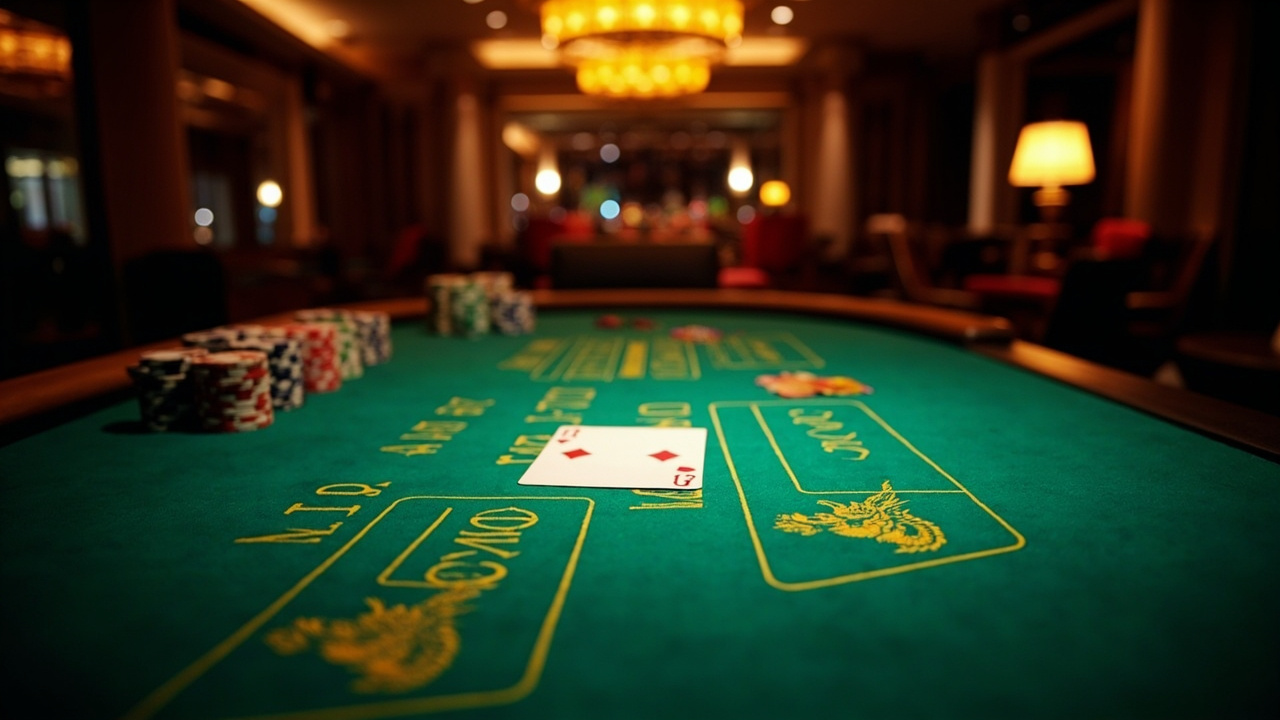
The same quiet counter I watched in Hobart did not chase every hand; he waited for the shoe, sized his bets, and walked away when the conditions turned. That is the part most online players miss when they think blackjack card counting online live dealer is a shortcut instead of a discipline. The live stream can be engaging, the maths can still inform your bets, and the interface can be built for real use, but none of that removes the ordinary limits of a game that still belongs to the house. If you treat the table like a measured session rather than a guaranteed run, you at least keep the game honest.